A well-maintained landscape is a source of pride, and at the heart of its beauty and health lies proper pruning. Understanding when and how to prune your shrubs and bushes is essential for their vitality, bountiful blooms, and overall aesthetic appeal, especially within the unique climate of Central PA. At Tru Edge Landscape, we understand that intelligent care practices are the foundation for a stunning outdoor space that truly lasts.
Why Prune? More Than Just Tidying Up
Pruning isn't merely about giving your plants a haircut; it's a critical horticultural practice that serves multiple purposes. First and foremost, it promotes the health of the plant by removing dead, diseased, or damaged branches that can harbor pests and diseases or impede healthy growth. Proper pruning also encourages vigorous new growth, increases air circulation, and can significantly enhance flowering or fruiting for many species. Structurally, it helps maintain the plant's natural shape and size, preventing overgrowth that could block walkways or views, or even cause damage during storms.
Timing is Everything: Pruning in Central PA
The "when" of pruning is often more crucial than the "how." For Central PA, understanding your plant's bloom cycle and dormancy is key.
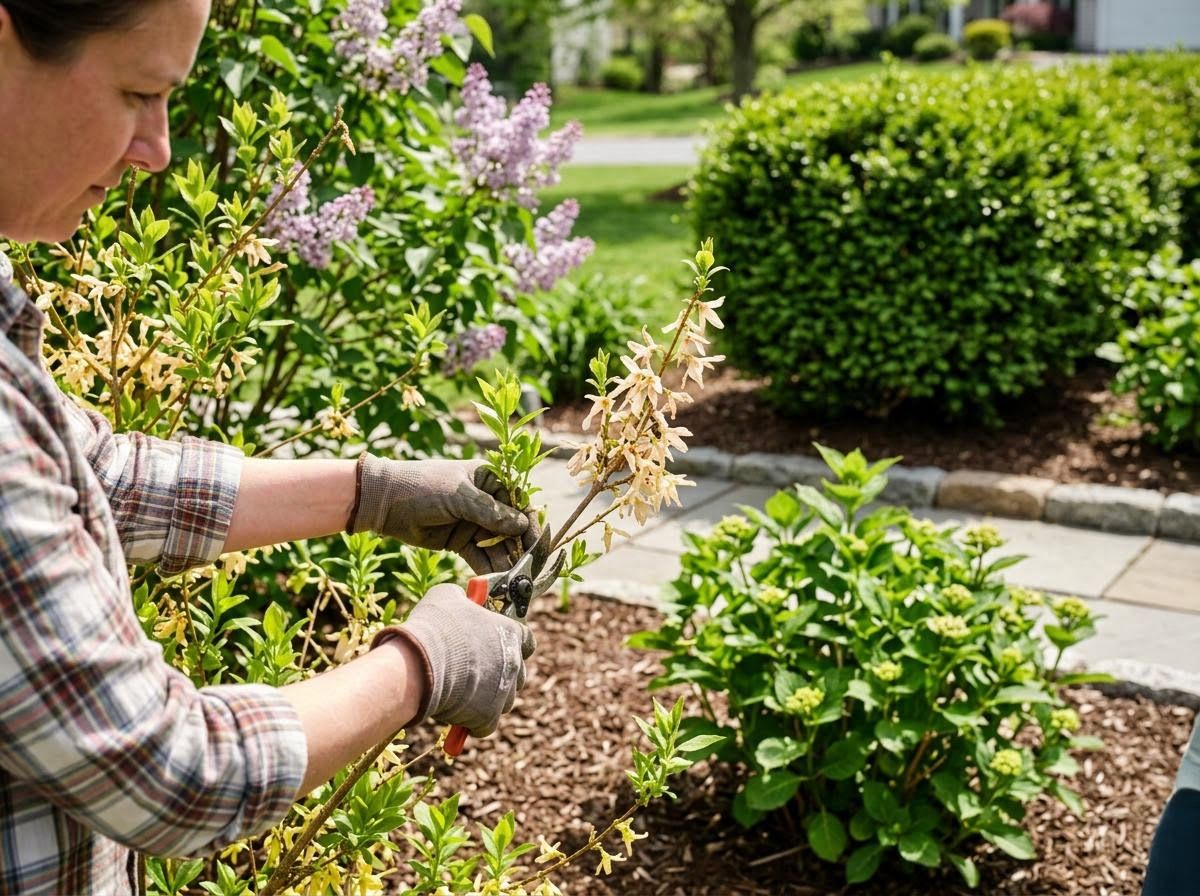
Spring-Flowering Shrubs (e.g., Lilac, Forsythia, Azalea): Prune these immediately after they finish flowering in late spring or early summer. Pruning before they bloom will remove the flower buds, resulting in fewer flowers that season.
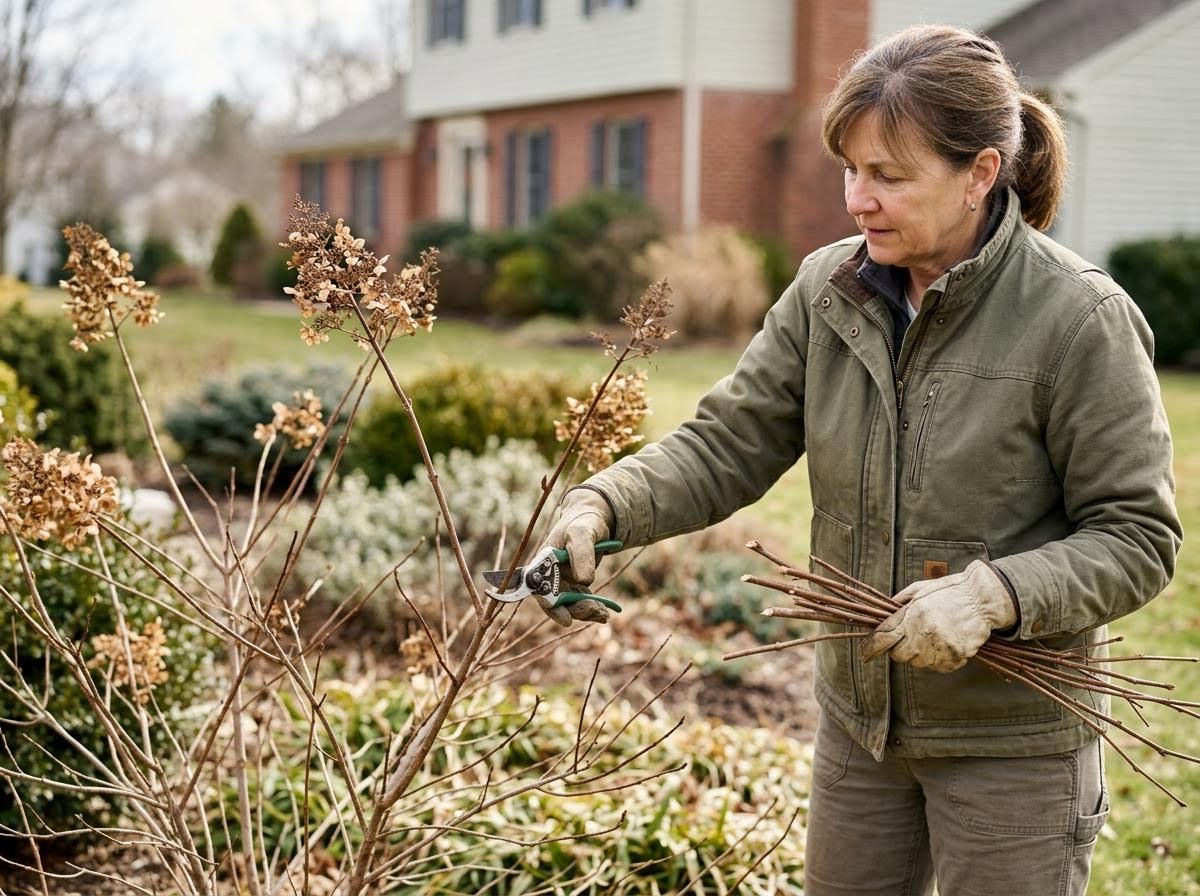
Summer-Flowering Shrubs (e.g., Hydrangea paniculata, Rose of Sharon): These plants form their flowers on new wood, so the best time to prune them is in late winter or early spring while they are still dormant. This encourages strong new growth and abundant blooms.
Evergreen Shrubs (e.g., Boxwood, Holly, Yew): General shaping and light pruning can be done in late winter or early spring before new growth appears. Avoid heavy pruning in late summer or fall, as new growth may not harden off before winter, leading to winter damage.
Deciduous Shrubs (non-flowering or for general shaping): The dormant season (late winter to early spring) is ideal for removing dead or crossing branches and for general shaping of shrubs that don't fall into the spring or summer flowering categories.
Essential Pruning Techniques for Healthy Growth
Once you know when to prune, mastering the basic techniques ensures you're doing it correctly. Always start with sharp, clean tools to make precise cuts that heal quickly and minimize disease transmission.
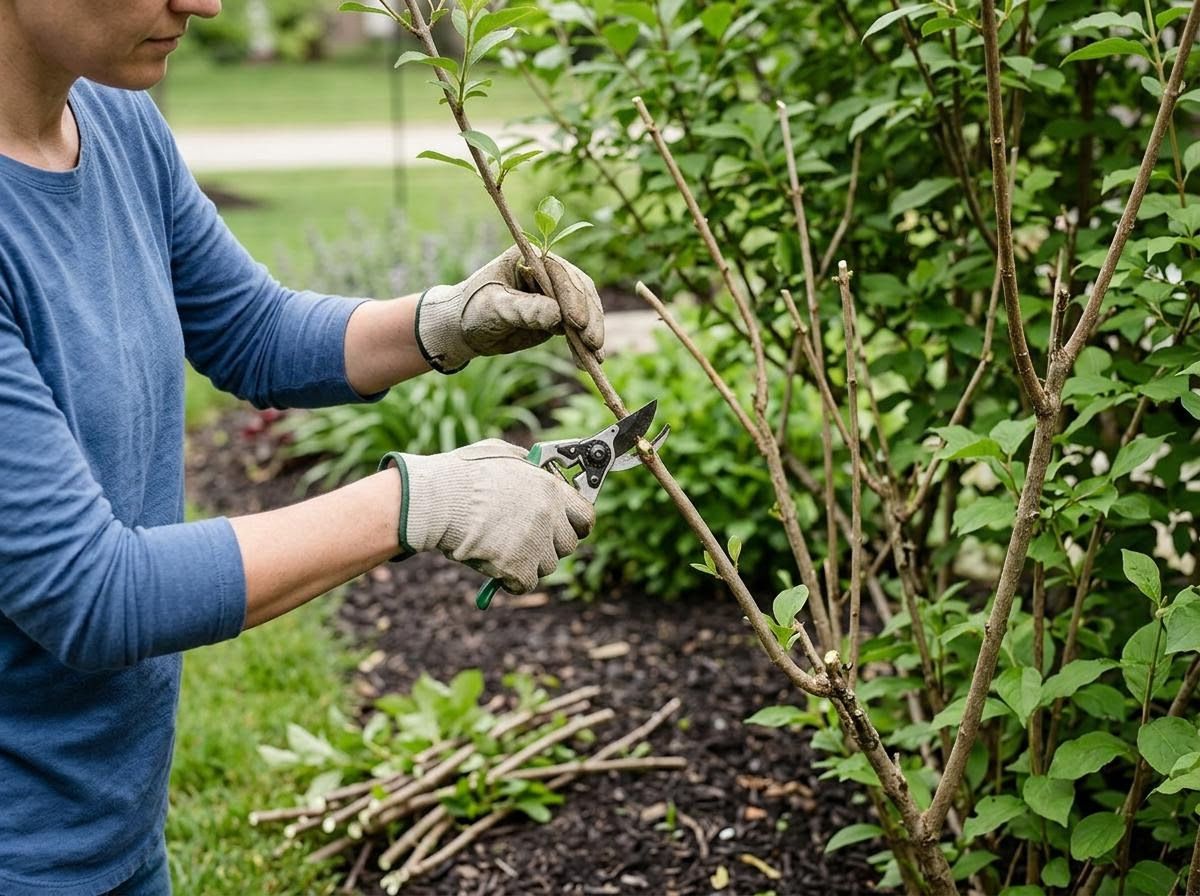
Remove the Three D's: Begin by cutting out any dead, diseased, or damaged branches. Cut back to healthy wood or to the main stem.
Eliminate Crossing Branches: Branches that rub against each other can create wounds, making the plant susceptible to disease. Choose the stronger, better-placed branch to keep and remove the other.
Thinning for Airflow: Remove some of the older, thicker branches at the base of the plant to open up the canopy. This improves air circulation and light penetration, promoting overall plant health.
Make Proper Cuts: Always cut just above a bud or branch union. Angle cuts slightly away from the bud to allow water to shed, and avoid leaving stubs, which are prime entry points for pests and diseases.
Maintain Natural Form: Step back frequently to assess the plant's overall shape. Aim to enhance its natural growth habit rather than forcing an unnatural shape.
Taking the time to prune your shrubs and bushes correctly is an investment in the long-term beauty and health of your property. By understanding the 'when' and 'how' specific to Central PA, you can ensure your landscape thrives season after season. If you're seeking expert guidance or professional landscaping services to elevate your outdoor space, consider learning more about how a trusted landscape contractor like Tru Edge Landscape can assist with the meticulous care your property deserves. Contact us today to get started.