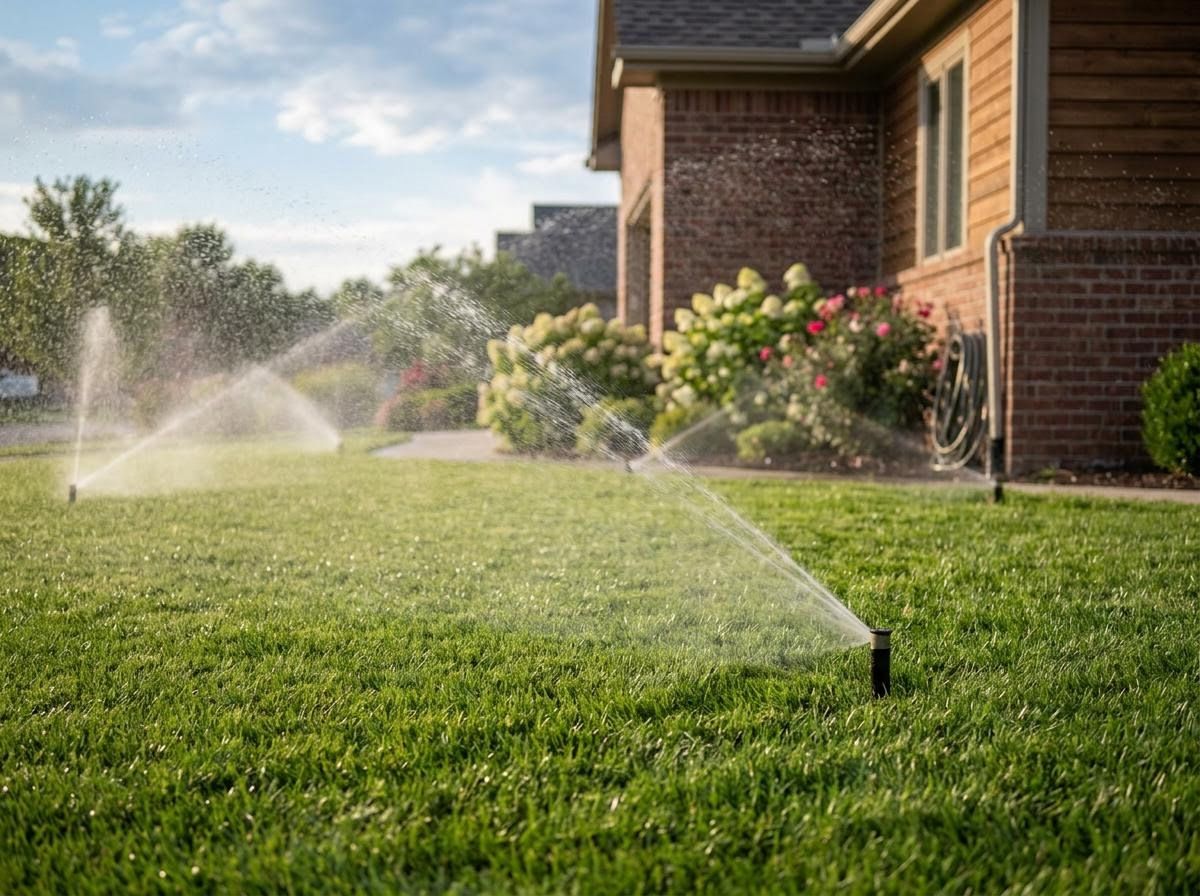
A lush, green lawn is the pride of any home, but achieving it requires more than just sprinkling water around. Proper hydration is critical for turf health, influencing everything from nutrient absorption to disease resistance. At Tru Edge Landscape, a premier landscaping company in Shippensburg, we understand that mastering the art of watering is fundamental to maintaining a vibrant outdoor space. This guide will help you understand the right way to quench your lawn's thirst and recognize when you might be doing too much.
The Secret to a Deeply Rooted Lawn
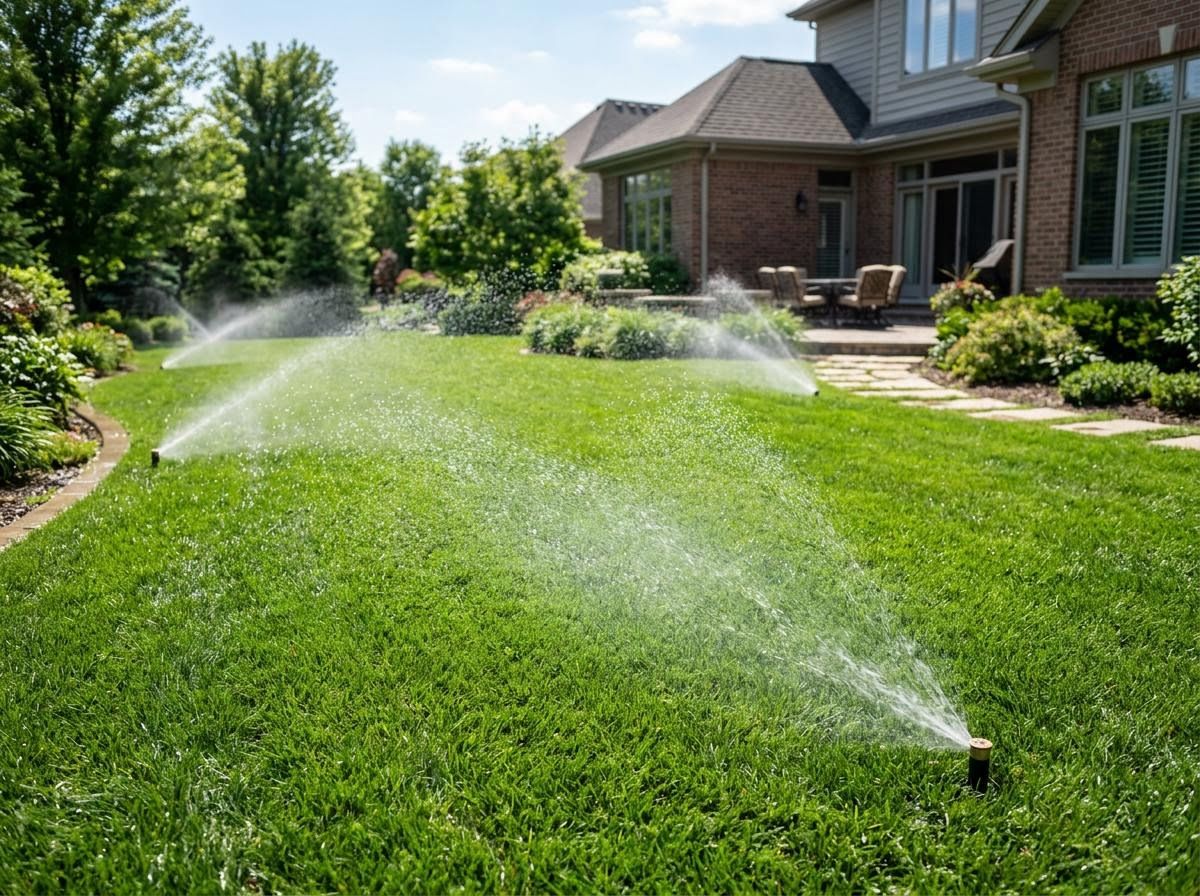
The goal of proper lawn watering isn't just to make the grass look green on the surface; it's to encourage deep, robust root growth. Shallow, frequent watering trains your grass to keep its roots near the surface, making it more susceptible to drought stress, disease, and heat damage. Instead, aim for deep, infrequent watering. This means applying enough water to penetrate several inches into the soil, then allowing the top layer to dry out before watering again. This cycle forces the roots to grow deeper in search of moisture, creating a more resilient and healthy lawn that can better withstand environmental stressors.
Mastering the Art of Hydration
Timing and technique are crucial when it comes to watering your lawn effectively. The best time to water is early in the morning, typically between 4 AM and 9 AM. Watering at this time allows the grass blades to dry before nightfall, minimizing the risk of fungal diseases and reducing water loss due to evaporation. Aim to provide about one inch of water per week, either from rainfall or irrigation. You can measure this using a rain gauge or by placing a tuna can in your sprinkler's path to see how long it takes to collect an inch of water. Adjust this amount based on your soil type, grass variety, and local climate conditions, but remember that consistency and depth are more important than frequency.
Recognizing the Red Flags of Overwatering
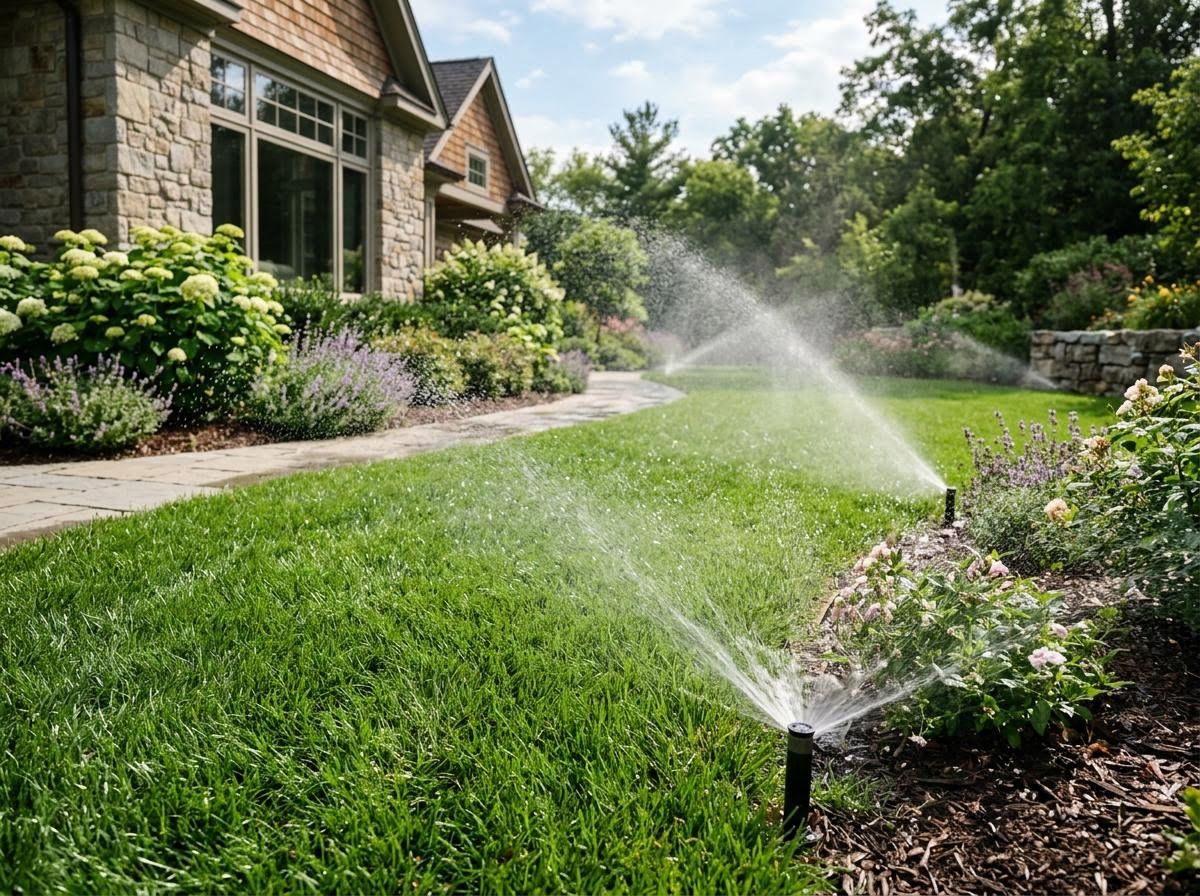
While under-watering can be detrimental, overdoing it can be just as, if not more, harmful to your lawn's health. Overwatering suffocates grass roots by depriving them of oxygen, making them prone to rot and weakening the plant. Signs of overwatering include a yellowing or browning lawn, despite what seems like ample water, and persistent soggy or mushy areas in the turf. You might also notice an increase in fungal diseases like brown patch or dollar spot, a proliferation of weeds that thrive in moist conditions such as sedge, or a general lack of vigor in the grass. If you see water running off your lawn instead of soaking in, it's a clear indicator that the soil is saturated, and you're wasting water.
Understanding your lawn's watering needs is a cornerstone of effective landscape maintenance, preventing both dehydration and costly overwatering issues. By applying these principles, you can foster a resilient, beautiful lawn that enhances your property's value and appeal. For those seeking comprehensive landscaping services, a professional landscape contractor like Tru Edge Landscape can provide expert guidance and tailored solutions, ensuring your outdoor haven thrives with integrity and lasting beauty. Contact us today to get started.