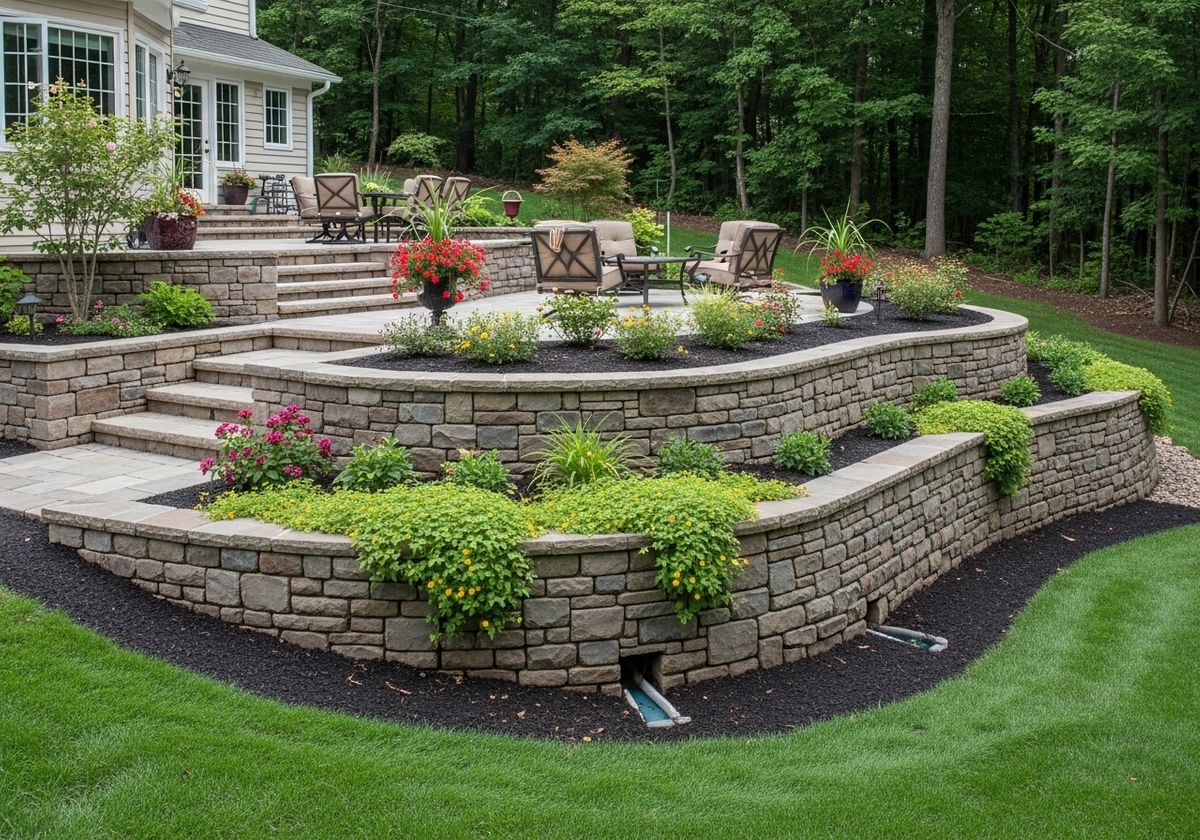
Retaining walls are more than just landscape features; they're crucial for preventing soil erosion, managing water runoff, and creating usable outdoor spaces. For homeowners in areas with sloping landscapes, understanding retaining walls is essential. This guide provides a comprehensive overview to help you make informed decisions about retaining walls for your property.
What is a Retaining Wall?
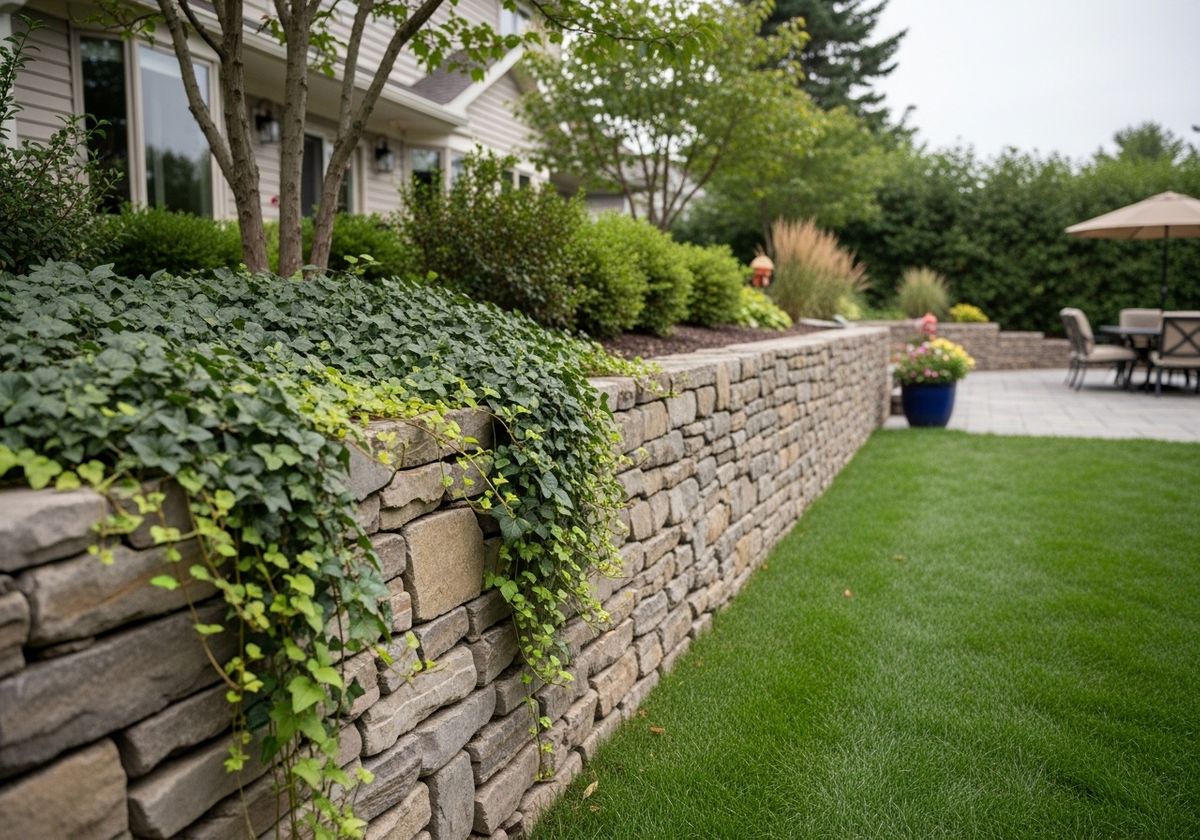
A retaining wall is a structure designed to hold back soil or earth from a building or area. They're built to withstand the lateral pressure of soil, which can be significant, especially when the soil is wet. Retaining walls can be both functional and aesthetically pleasing, adding character and value to your property.
Types of Retaining Walls
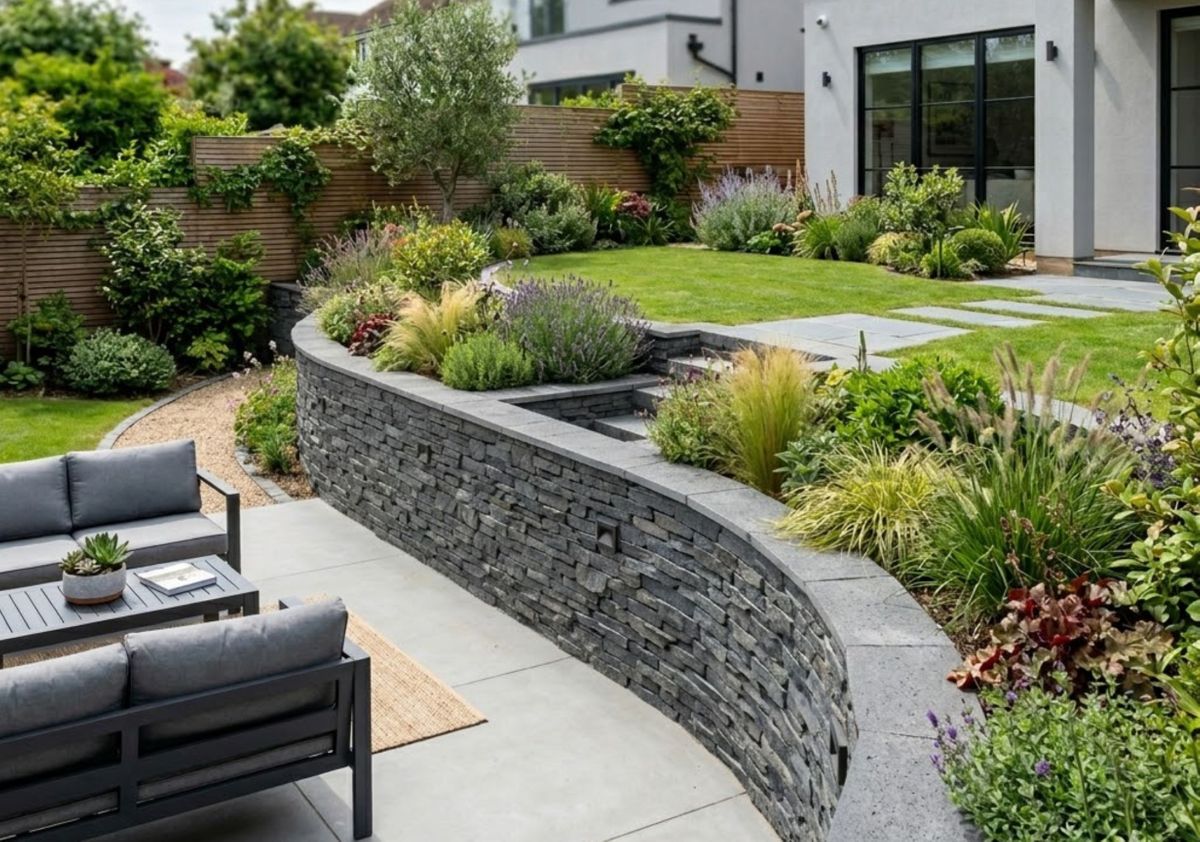
Several types of retaining walls cater to different needs and aesthetics:
Gravity Walls: These rely on their weight to resist the pressure of the soil behind them. They're typically made from concrete, stone, or brick.
Cantilevered Walls: These walls use a horizontal footing to extend under the soil, using the weight of the soil on the footing to provide stability. They're generally made of reinforced concrete.
Sheet Pile Walls: These are constructed by driving interlocking sheets of steel, vinyl, or wood into the ground. They're often used for temporary support or in areas with limited space.
Buttressed Walls: Similar to cantilevered walls, these have vertical supports (buttresses) on the back of the wall to provide additional resistance.
Materials for Retaining Walls
The choice of material greatly affects the look, cost, and longevity of your retaining wall:
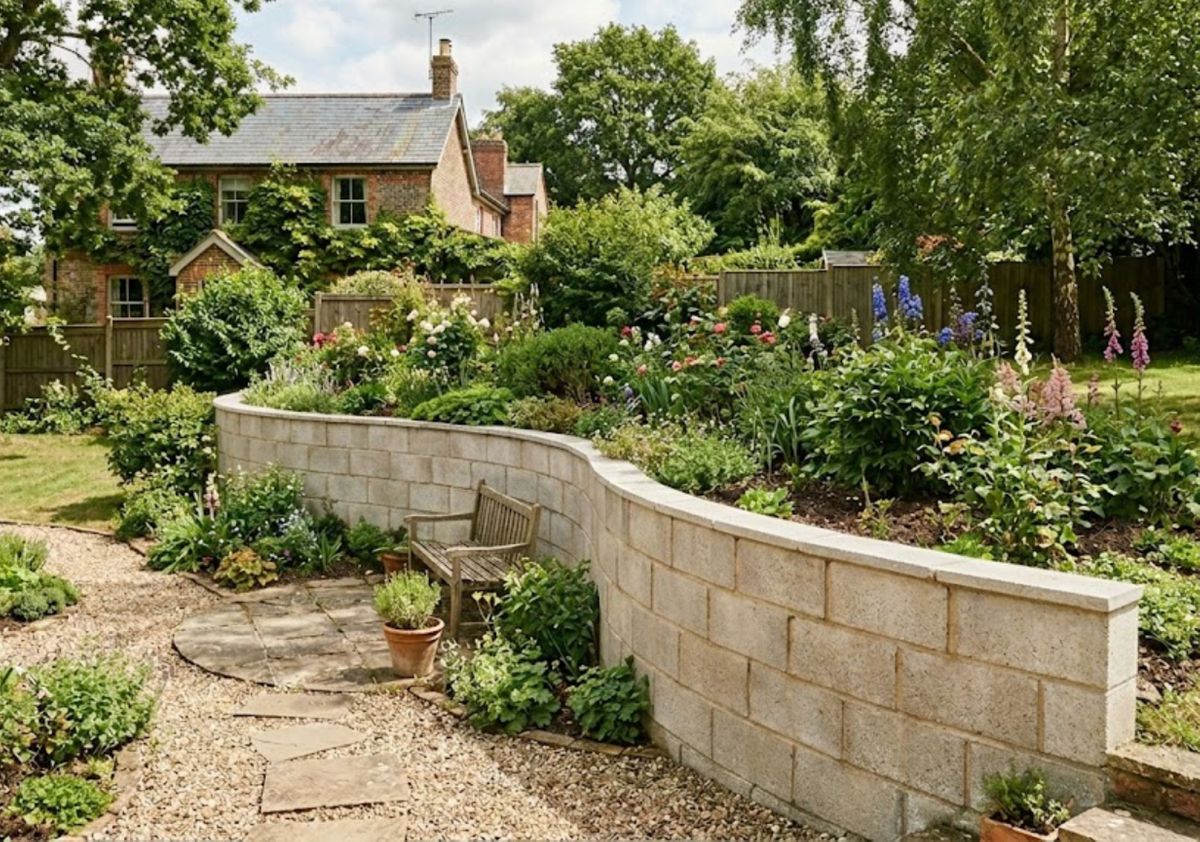
Concrete Blocks: Versatile and cost-effective, concrete blocks can be stacked and backfilled with gravel for good drainage.
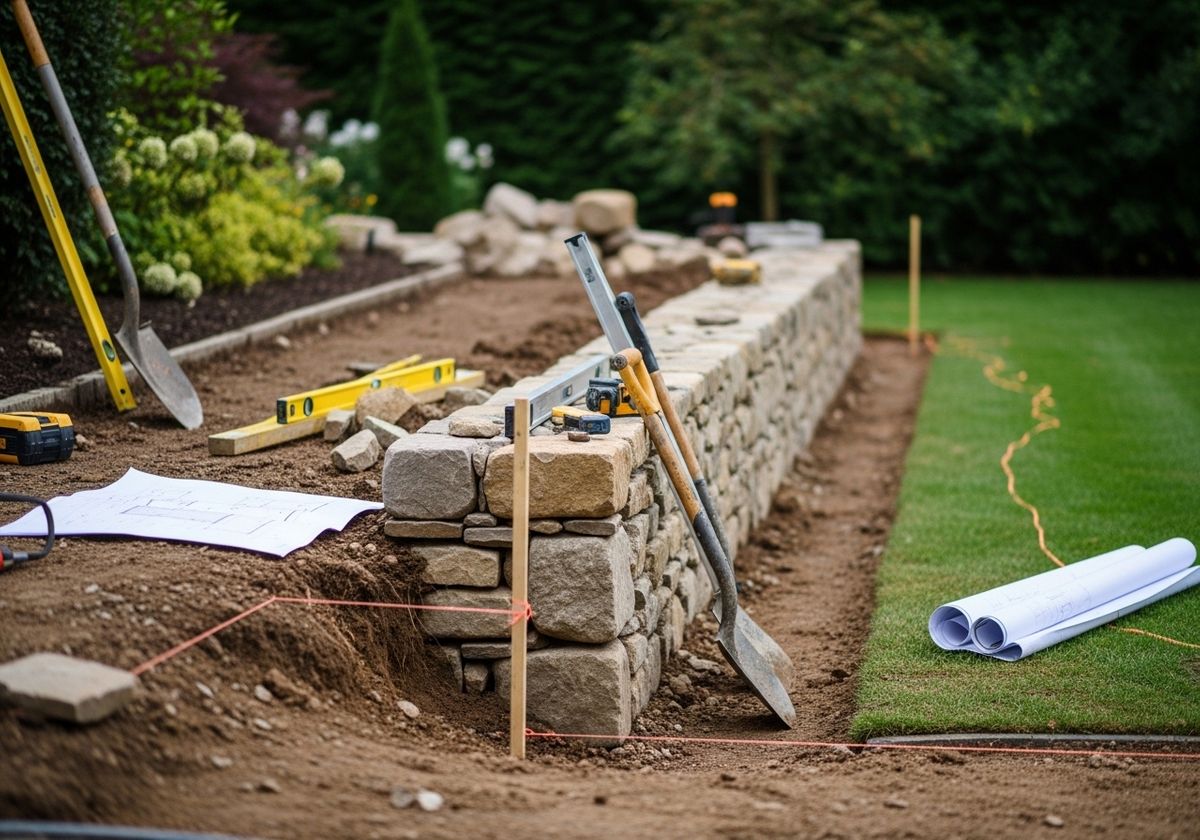
Natural Stone: Offers a natural, aesthetically pleasing look. Stone walls can be dry-stacked or mortared.
Treated Timber: A more affordable option, but requires proper treatment to resist rot and insect damage.
Poured Concrete: Provides a strong, durable wall that can be customized with different finishes.
Factors to Consider Before Building
Before embarking on a retaining wall project, consider the following:
Height: Taller walls require more robust designs and may need engineering approval.
Soil Type: The type of soil affects the pressure on the wall and the drainage requirements.
Water Drainage: Proper drainage is crucial to prevent hydrostatic pressure from building up behind the wall.
Building Codes and Permits: Check local regulations and obtain necessary permits before starting construction.
The Importance of Professional Landscaping Services in Shippensburg
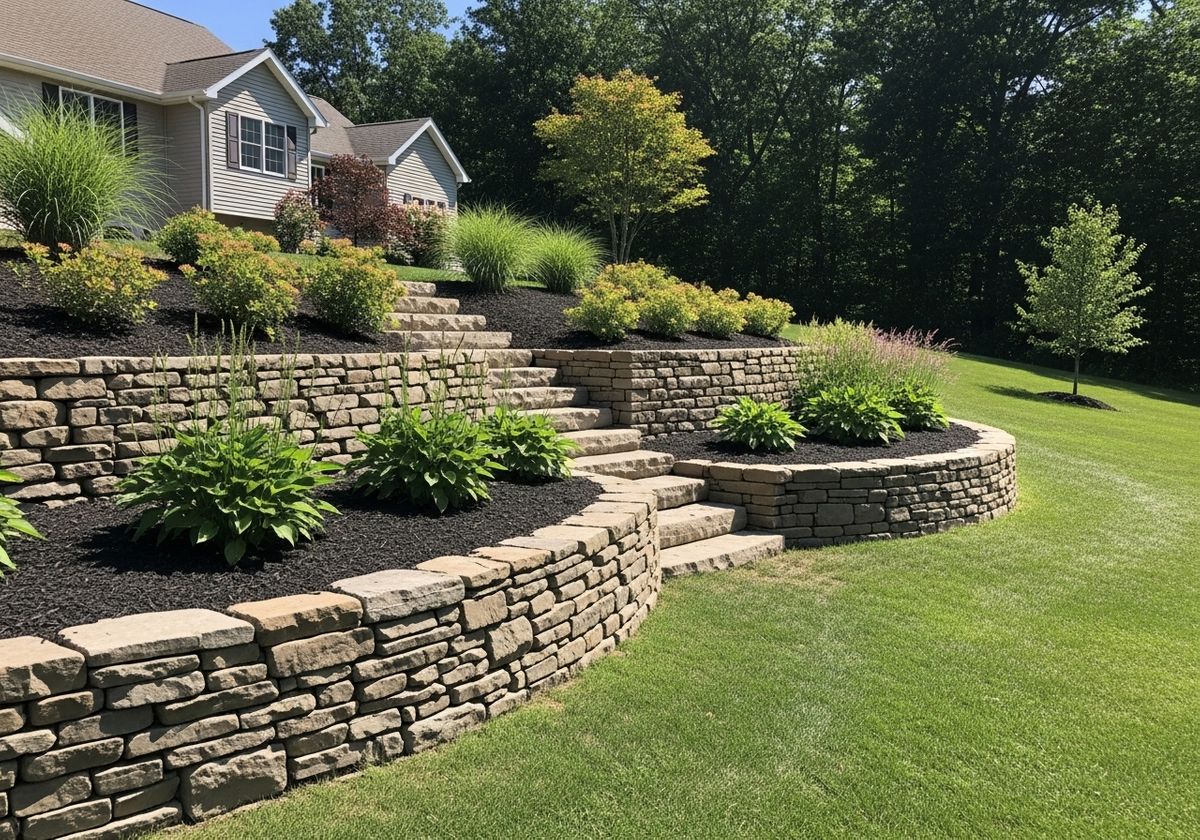
While smaller retaining wall projects might seem DIY-friendly, larger or more complex walls require the expertise of a professional landscaping company. A landscape planner can assess your property, design a wall that meets your specific needs, and ensure it's built to code and with proper drainage. Residential landscaping in Shippensburg requires an understanding of local soil conditions and regulations, making a local landscaping company an invaluable partner.
Retaining walls are essential for both the functionality and aesthetics of many properties. By understanding the types, materials, and key considerations involved, you can make informed decisions about your landscaping needs. For homeowners in Shippensburg, PA, remember that Tru Edge Landscape is your trusted partner for creating beautiful and lasting landscapes. We provide quality design and installation with unwavering integrity. Contact us today to discuss your retaining wall project! Explore our website to learn more about our landscaping services in Shippensburg and how we can help transform your outdoor space.