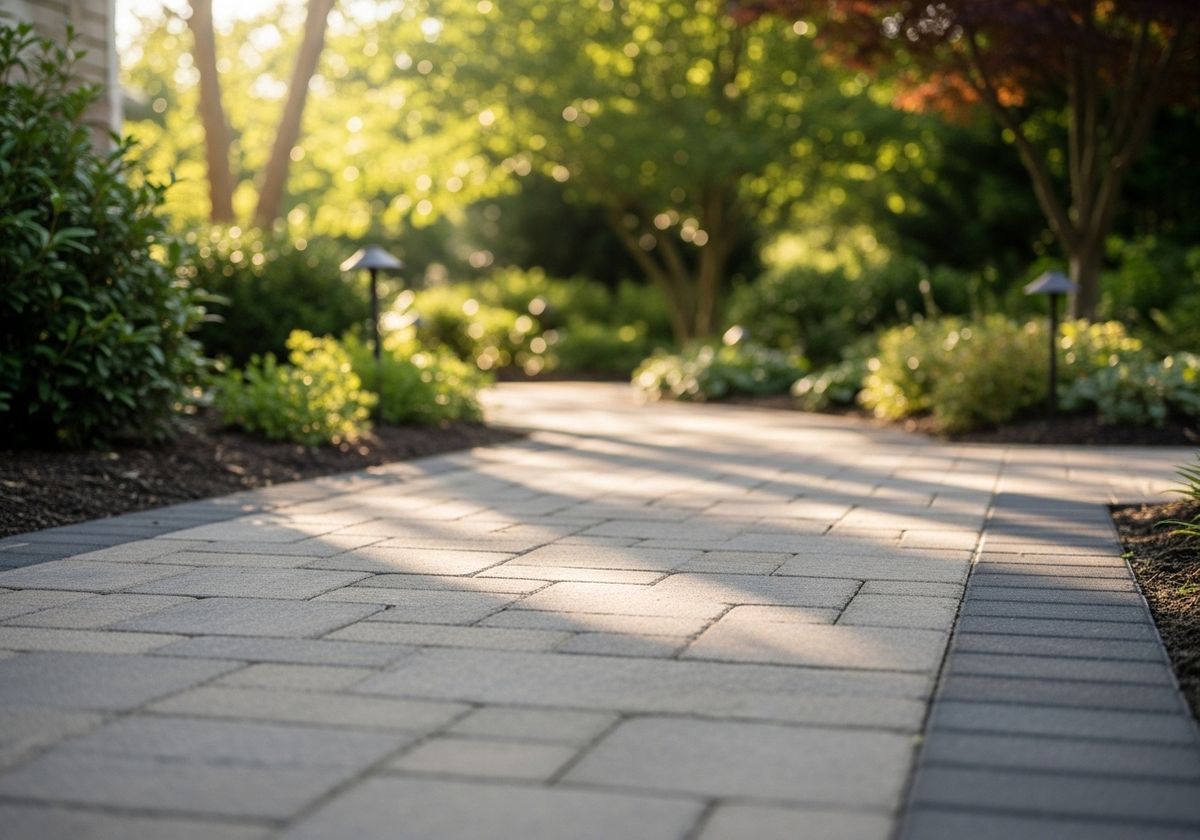
Creating a captivating outdoor space starts from the ground up, and paver walkways offer a fantastic way to enhance the beauty and functionality of your property. More than just a path, they are an integral design element that can define your landscape's style and create welcoming transitions between different areas of your yard.
Planning Your Paver Walkway
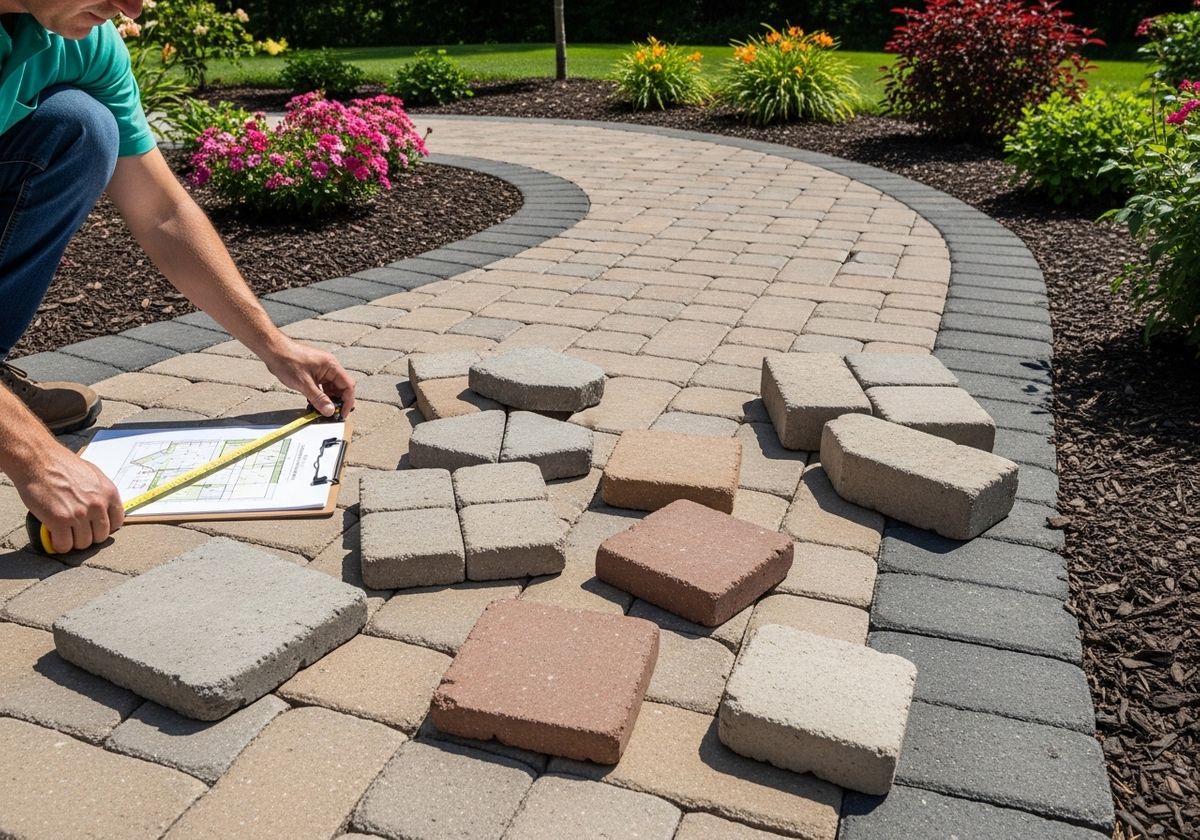
Before you begin laying pavers, careful planning is essential. Consider the following:
Purpose and Function: What areas will the walkway connect? Will it be a primary route or a secondary path through a garden? Determining the function will influence the walkway's width and design.
Style and Aesthetics: Choose pavers that complement your home's architecture and your existing landscaping. Consider the color, shape, and texture of the pavers.
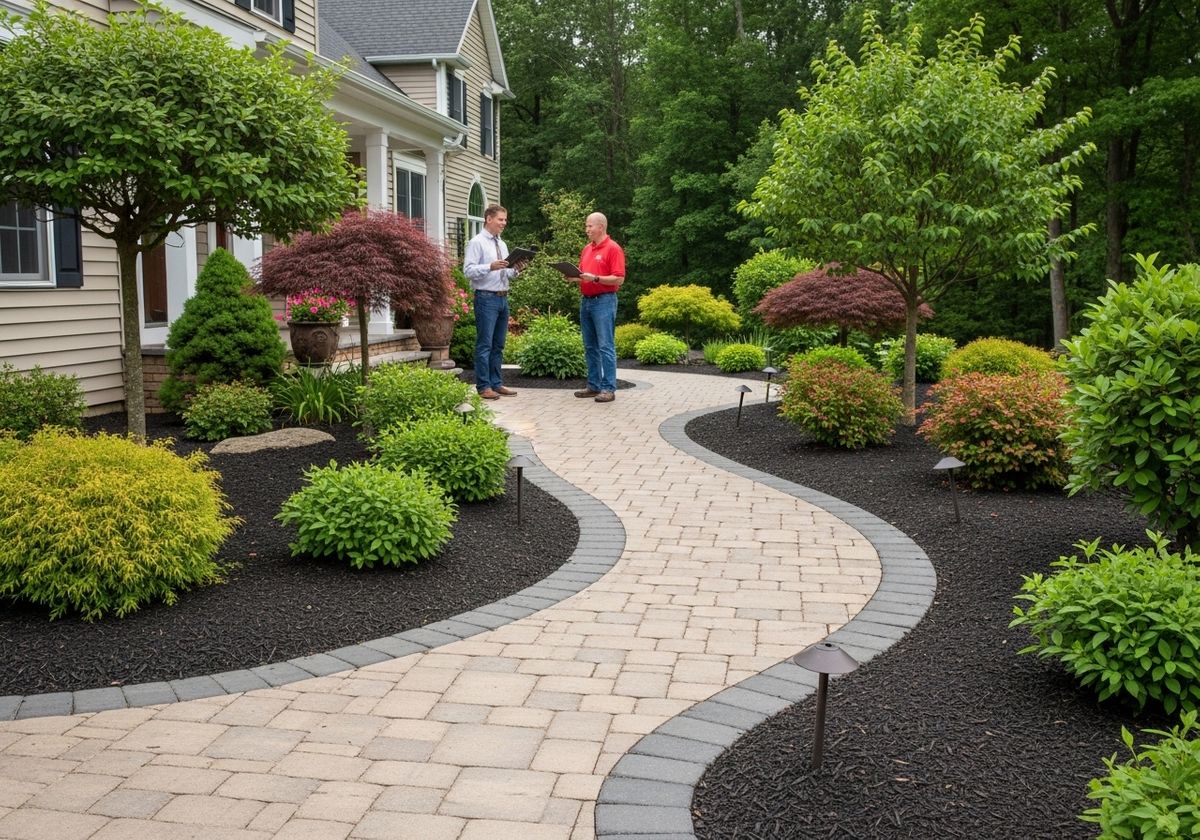
Layout and Design: Straight walkways offer a classic and formal look, while curved paths create a more natural and relaxed feel. Think about incorporating interesting patterns or borders to add visual interest.
Materials: Pavers come in a variety of materials, including concrete, brick, and natural stone. Each material offers a unique look and has different durability and maintenance requirements.
Choosing the Right Pavers
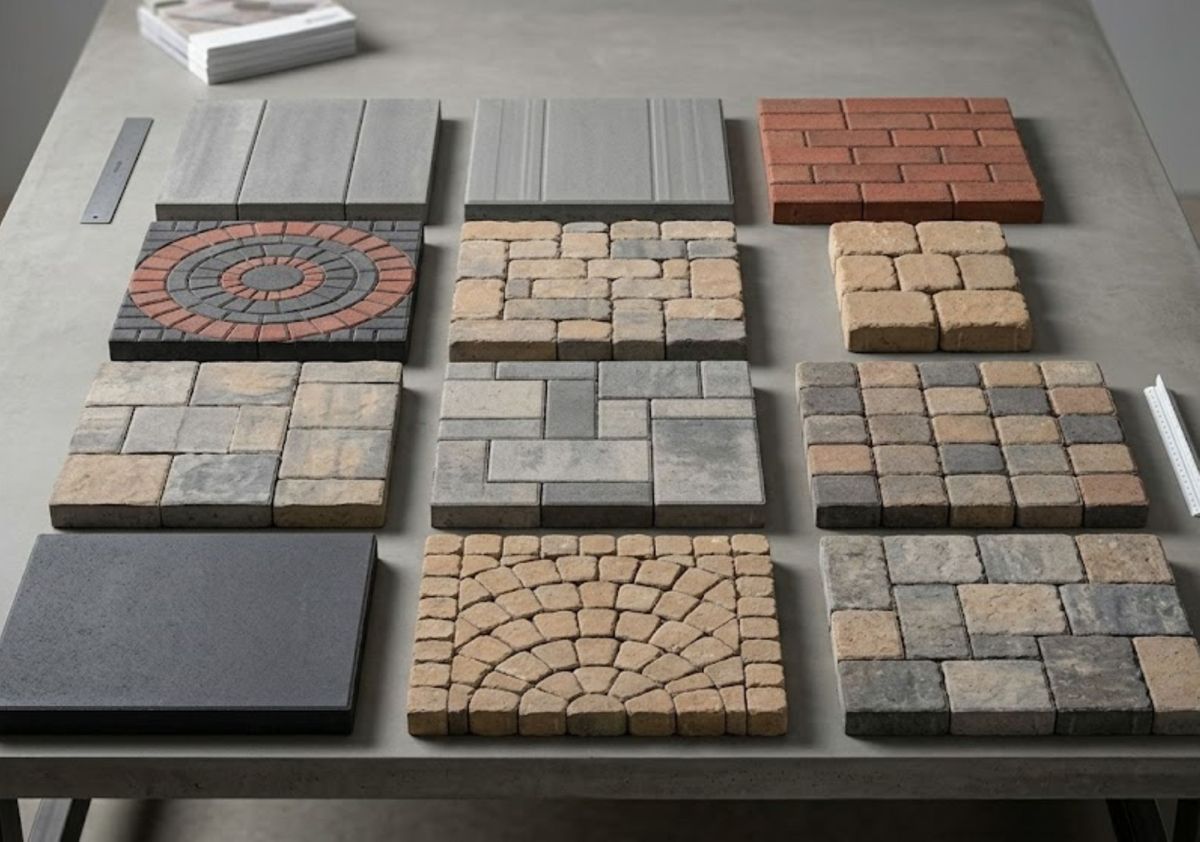
The selection of pavers is crucial to the overall look and longevity of your walkway. Here's a closer look at common paver materials:
Concrete Pavers: Concrete pavers are a versatile and cost-effective option. They come in a wide range of colors, shapes, and styles, and are known for their durability.
Brick Pavers: Brick pavers offer a classic, timeless look. They are durable and add a touch of warmth and character to any landscape.
Natural Stone Pavers: Natural stone pavers, such as flagstone or slate, provide a unique and organic feel. They are incredibly durable and offer natural variations in color and texture.
Installation Considerations
Proper installation is key to a long-lasting and beautiful paver walkway. While DIY installation is possible, professional installation ensures the job is done right.
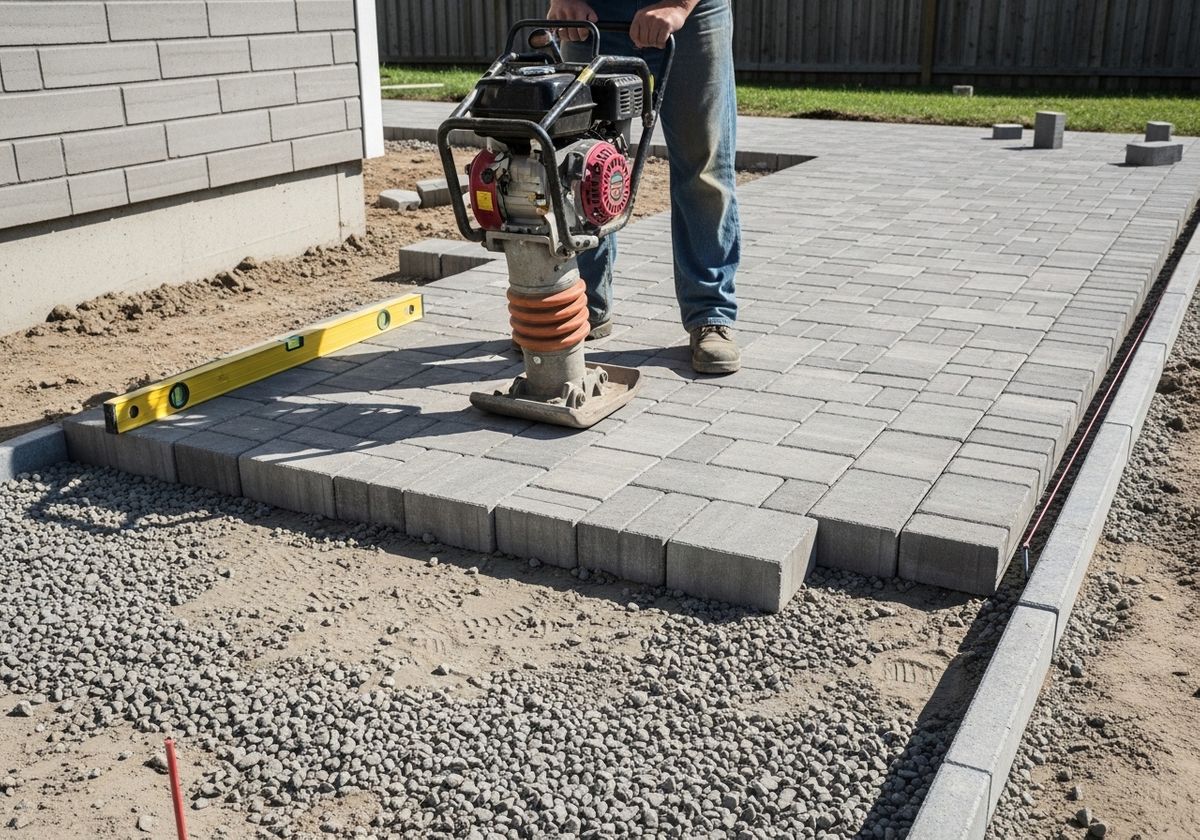
Base Preparation: A well-prepared base is essential for preventing settling and shifting. This typically involves excavating the area, adding a layer of compacted gravel, and then a layer of sand.
Paver Laying: Pavers should be laid tightly together with consistent spacing. Use a level to ensure a smooth and even surface.
Edging: Edging restraints help to keep the pavers in place and prevent them from shifting over time.
Compaction: After laying the pavers, compact them with a plate compactor to ensure they are firmly set in the base.
Enhancing Your Landscape with Paver Walkways
A well-designed paver walkway can dramatically enhance your outdoor space. By carefully considering the purpose, style, materials, and installation, you can create a beautiful and functional feature that adds value to your home. Remember to choose a reliable landscape planner to help you design the perfect layout. Investing in quality landscaping services in Shippensburg ensures professional installation and lasting results. With the right design and materials, your new walkway will become a cherished part of your residential landscaping in Shippensburg for years to come.
At Tru Edge Landscape, we understand the importance of creating beautiful and functional outdoor spaces. A paver walkway can be a fantastic addition to your property. We're here to help you bring your vision to life. Contact us today to discuss your landscaping needs and discover how we can transform your outdoor space into a stunning oasis. Consider browsing our website and giving us a call to learn more!